


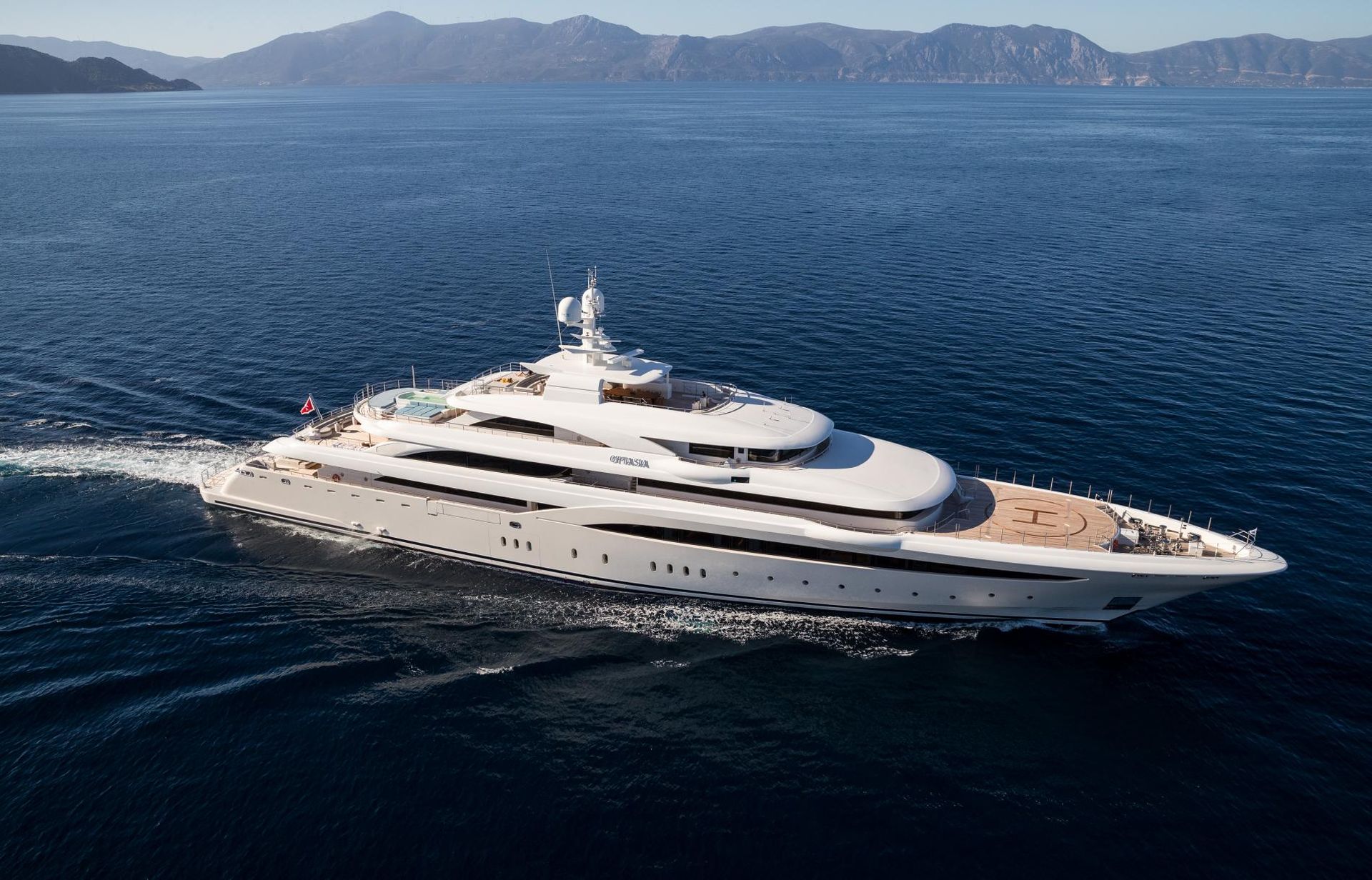
In today’s maritime landscape, a discreet but revolutionary development is underway: the advent of autonomous yachts. This technological development marks a major turning point in the industry. Let’s take a closer look at this major advance.
Autonomous technology: the heart of the revolution
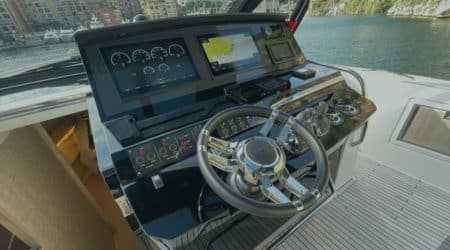 The technological breakthrough of autonomous yachts lies essentially in their ability to navigate without the need for direct human intervention. This autonomy is made possible by a combination of several key elements:
- Artificial intelligence: AI enables the yacht to analyse its environment in real time and make navigation decisions based on the data collected.
- Sensors: a range of sensors, including radar, lidar, cameras and sonar, give the yacht a precise view of its environment.
- GPS: this allows the yacht to know its exact position and follow its course.
Complex algorithms: sophisticated algorithms process the data from the sensors and GPS to determine the optimum trajectory and ensure safe navigation.In addition to these fundamental elements, autonomous yachts can incorporate other cutting-edge technologies, such as :
- Advanced communication systems to keep in touch with the maritime authorities and other ships.
- Hybrid or electric propulsion systems to reduce environmental impact and improve energy efficiency.
- Intelligent home automation systems to automate on-board tasks and ensure passenger comfort.
These technologies enable yachts to detect and react to changing environmental conditions, potential obstacles and other vessels with complete autonomy. Yachtsmen can now enjoy smoother, safer sailing, freed from tedious navigation tasks.
Environmental impact: towards sustainable sailing
As well as being practical, autonomous yachts are part of a sustainable, environmentally-friendly approach to sailing. These vessels incorporate cleaner propulsion technologies, such as electric or hybrid engines. This choice of technology significantly reduces greenhouse gas emissions and atmospheric pollutants, in stark contrast to traditional diesel-powered yachts.
In addition, thanks to artificial intelligence, it is possible to optimise fuel consumption by selecting the most efficient route and adjusting the yacht’s speed according to weather and sea conditions, thus contributing to more rational management of resources. In addition, these yachts play a role in protecting marine ecosystems by reducing noise and vibrations that can harm marine wildlife and fragile habitats. Some models go even further by incorporating energy recovery and intelligent resource management systems, minimising their ecological footprint. These innovations underline the boating industry’s commitment to a more eco-responsible sailing experience.
Challenges and regulations: ensuring safety at sea
The advent of autonomous yachts raises major challenges in terms of regulations and safety at sea. Maritime authorities around the world must adapt their regulatory frameworks to oversee the use of these new technologies and guarantee the safety of operations.
In the event of an accident or incident involving an autonomous yacht, who – the owner, the builder or the developer of the navigation system – is responsible?
Complex issues such as liability, rescue protocols at sea and certification standards for autonomous equipment need to be resolved to ensure safe navigation for all maritime stakeholders, including passengers, crews and other sea users.
Innovation and growing demand: an expanding market
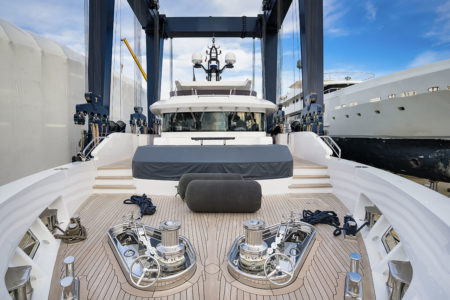 Despite these challenges, the market for stand-alone yachts is expanding rapidly, driven by growing demand for personalised luxury sailing experiences.
Builders are competing with each other to offer innovative designs, top-of-the-range features and cutting-edge technology, attracting a wealthy clientele looking for exclusivity and comfort. This upward trend reflects the growing appeal of personalised sea travel and exploration of remote destinations, driving innovation and diversification in the stand-alone yacht market.
Ethical and social issues
The use of artificial intelligence in navigation raises ethical and social issues concerning autonomous decision-making and human responsibility. Here too, it is essential to develop ethical safeguards and ensure that onboard artificial intelligence systems respect human and social values.
The autonomous yacht revolution represents much more than a simple evolution in yachting. It’s a game-changer, opening up exciting new prospects for yachtsmen around the world. As these technologies continue to develop and become more widely available, there is no doubt that autonomous yachts will shape the future of yachting, offering an unprecedented experience where adventure and luxury meet in harmony on the world’s seas.








Leave A Comment