


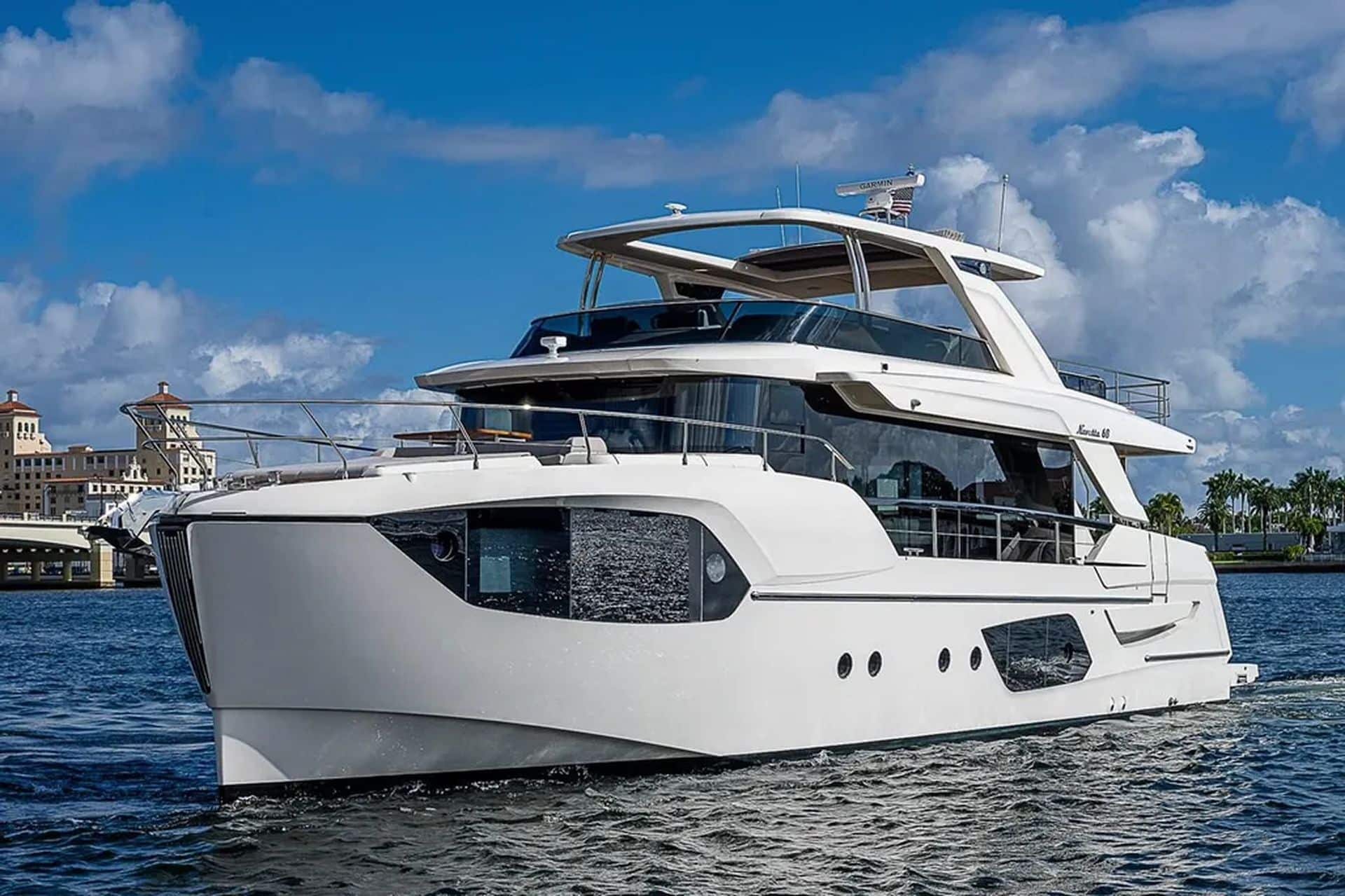
The luxury yachting market faces a central challenge: accurately deciphering the price of a boat in order to support each client in their strategic choices. Whether the goal is to acquire a high-performance sailing yacht, sell an exceptional motor yacht or invest in a state-of-the-art catamaran, this variable determines the success of any brokerage transaction. In a world where the client experience is as crucial as mastering the numbers, knowing how to analyse the drivers of the average price—whether it is a new boat or a pre-owned boat—is a real lever for differentiation and loyalty.
What factors influence the price of a boat today?
 Assessing the price of a boat requires a comprehensive, structured approach. Certain criteria remain essential: boat size, type (motor, sailboat, RIB, catamaran), year, overall condition, installed equipment and onboard technology. But other, more nuanced components significantly affect the range of listed prices on the market, both for buying/selling pre-owned boats and for new models.
Mastering these mechanics enables professionals to provide a credible valuation from the moment the mandate is taken on and to quickly offer a competitive Argus valuation. This expertise strengthens the relationship of trust with a demanding audience, accustomed to comparing every option based on objective, up-to-date data.
Impact of the boat type and intended use
Between a performance-optimised sailing yacht, a luxury yacht fitted with high-end home-automation systems, and a versatile RIB intended for boat rental, differences in average price can reach ten to twenty times the initial value. The segment naturally has an impact: a catamaran designed for family charter offers volume/price ratios and ancillary costs that are very different from those of a sporty day-boat.
If you would like to explore the different opportunities linked to acquiring a yacht in practical terms, there are specialised databases featuring yachts for sale suited to all types of needs and requirements. Each category meets unique requirements in terms of navigation, port equipment and energy consumption. Clearly identifying the future owner’s intended use guides not only product selection but also the fine-tuning of the financial terms to propose.
Age, condition and maintenance history
In the pre-owned boat sector, detailed analysis of the maintenance history and winterisation cycles often determines the value during the valuation. A boat maintained by a professional, with regular invoices and stored in good off-season conditions, can exceed the median price for its category. Thorough technical checks, regulatory compliance and traceability of work then become strong arguments for the broker.
Managing the fiscal stamp and administrative documents is also decisive: a complete file streamlines the transaction, secures both buyer and seller, and optimises the final Argus valuation.
Why adopt a holistic approach to cost in the buying or selling process?
 Reducing a boat valuation to its listed price alone would be too simplistic. High-performing players systematically put the average price into perspective alongside the future expenses linked to ownership. Clearly presenting all ancillary costs—routine maintenance, mooring, insurance, winterisation, equipment upgrades—reassures the most discerning clientele, particularly in the luxury segment.
The ability to project a realistic financial plan is a decisive advantage during negotiation. It also guides the choice between long-term boat rental and outright purchase. Clarifying this step ensures transparent discussions and strengthens the quality of advice, a cornerstone of Pelagia Yachting’s commitment.
List of the main ancillary costs to include
- Haul-out and annual works: hull cleaning, antifouling replacement
- Mechanical maintenance: engine servicing, generator, air conditioning
- Leisure boating insurance
- Fiscal stamp and local taxes depending on the flag
- Mooring fees, port services, dry storage or hangar storage
- Onboard electronics updates, renewal of safety equipment
- Specialised labour for certain works (luxury custom: cabinetry, bespoke upholstery)
This comprehensive budget overview is a valuable tool for convincing an informed prospect to move from consideration to signing.
Strategic role of the after-sales phase in the perception of total cost
Careful post-transaction support optimises the client’s overall perception of the amount invested. Being present in the event of a technical breakdown, recommending a technology upgrade or stepping in during the first years of use creates natural loyalty.
This effort translates directly into word of mouth: many ultra-high-net-worth individuals cite the quality of post-purchase follow-up as their main satisfaction criterion, well ahead of the initial attributes of the chosen model.
How to structure the support approach around the price of a boat?
Professionalising financial management requires relying on robust frameworks. For each boat purchase or sale project, teams must focus their expertise on three pillars: anticipation, personalisation, performance measurement.
It is no longer enough to line up figures in a shop window. It is the concrete steps, constant accessibility and relevance of recommendations that turn the client relationship into a lasting partnership. Several tools help structure this journey.
Key operational steps to maximise perceived value
- Initial audit: precise needs analysis (boat size, use, new/pre-owned status)
- Multi-criteria analysis: active market benchmark (average price, equipment rarity, regional specificity)
- Concise presentation: personalised roadmap based on the client’s expectations
- Scenario proposal: budget projections integrating all ancillary costs
- Transactional negotiation: transparent argument focused on real value
- Post-sale documentation: operating guide, maintenance schedule, proactive alerts
The challenge is to systematically involve every key stakeholder: the intermediary team, external service providers, the end client’s family. This streamlines the experience and speeds up decision-making.
Digital tools in the service of reliability and follow-up
Modern centralised management platforms make it possible to manage valuations, changes in the Argus valuation, the precise condition of pre-owned boats in the portfolio, and the history of interactions with each client. These solutions also automate reminders for regulatory deadlines, improving the team’s responsiveness while strengthening trust.
Mobile applications provide instant access to reporting after each visit or sea trial, supporting consistent, up-to-date messaging through to deal closure.
Why do brand differentiation and tailored follow-up generate long-term value?
 In a sector where supply is abundant, the ability to personalise the approach—from valuation to post-delivery follow-up—drives reputation and organic growth. Investing in regular touchpoints around additional services (boat rental while their own yacht is unavailable, advice on adapting port equipment, trend monitoring) enriches the initial commercial relationship.
The brand thus benefits from higher engagement than standardised operators. Clients, partners and prescribers become natural ambassadors, encouraging recommendations and up-selling.
Performance indicators to monitor to adjust your pricing strategy
- Conversion rate of prospects into actual buyers/sellers
- Average time on market for a listing
- Measured satisfaction after the transaction and after 12/24 months
- Renewal rate or move up to a higher range
- Volume and quality of leads generated by the website and recommendations
Monitoring these indicators ensures practices are constantly adapted. Regular tracking of average prices in each new boat or pre-owned boat segment complements this management and effectively feeds future sales arguments.
What concrete recommendation can you apply right now to improve your results in managing the price of a boat?
Structure your offer around total transparency on how the average price is formed, the ancillary costs and market trends. Reassure your prospects immediately and accelerate conversion by making every meeting or valuation an exchange based on listening and education, detailing the entire budget to anticipate—well beyond the initial listed price.
Put in place clear explanatory materials, stage validators and pricing tools updated continuously from today. By adopting this educational and personalised commitment, brokers, shipyards and marketers in luxury yachting elevate their positioning in the competitive superyacht arena, ensuring a premium experience and lasting satisfaction at every stage of the customer lifecycle.








Leave A Comment