

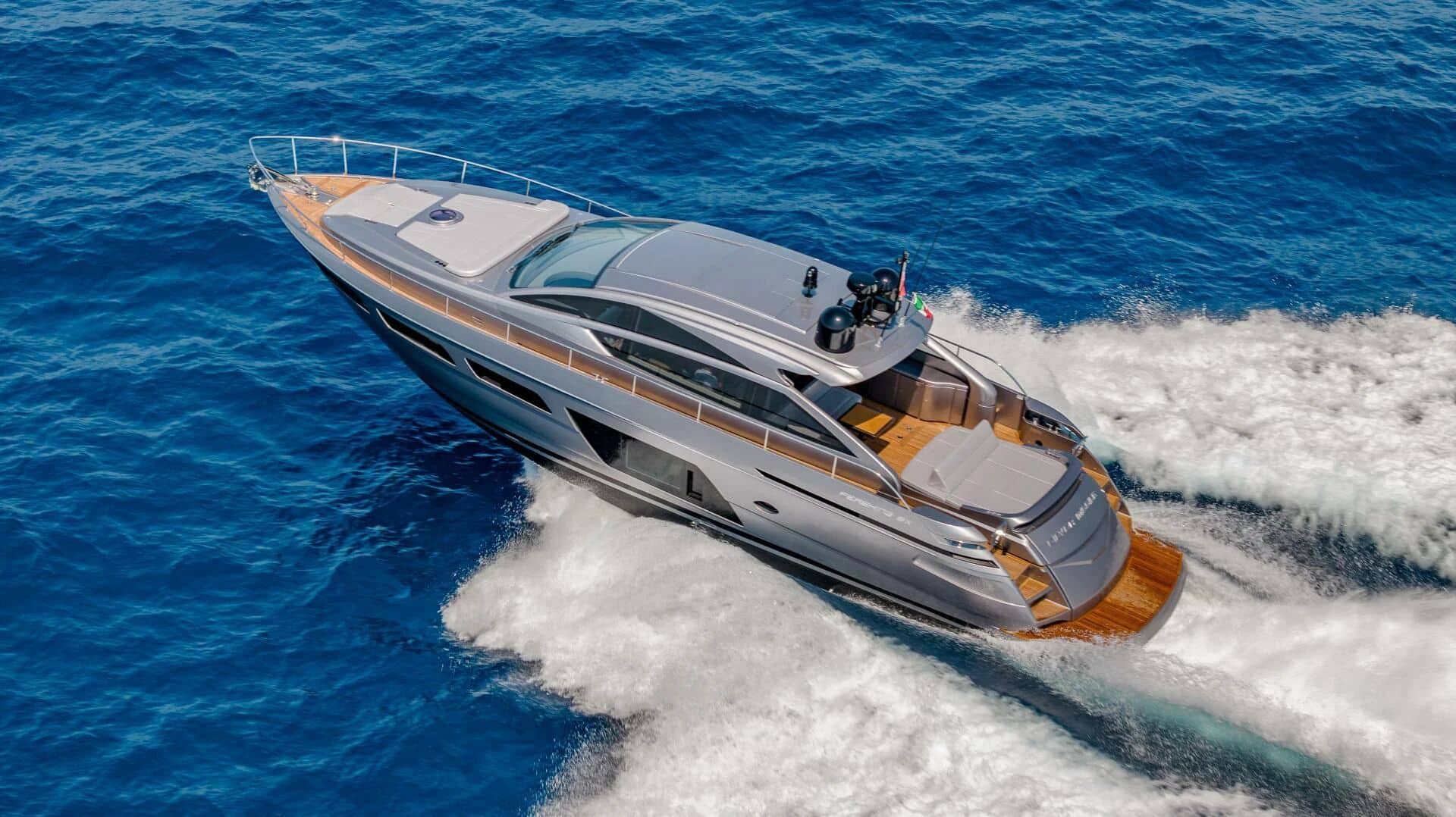
The luxury yachting industry currently stands at a crossroads of major challenges: acquiring new exclusive listings in a highly competitive market, consistently generating qualified leads for high-value assets, and retaining a UHNWI (Ultra High Net Worth Individuals) clientele whose expectations are constantly evolving. For brokers, shipyards, and marketing teams, the central challenge lies in the ability to anticipate client needs while building true differentiation in the premium segment. At Pelagia Yachting, our experienced team is committed to supporting you at every stage of your project, from sale to purchase, including management and the naval construction of yachts, sailboats, or catamarans.
An evolving market: segmentation and growth
 The luxury yachting market is undergoing a rapid transformation, driven by new economic, technological, and societal dynamics. This evolution creates unprecedented opportunities but also requires addressing challenges to remain relevant to a demanding international clientele.
Market size and segmentation are progressing thanks to the diversification of the offering, the arrival of new players, the emergence of superyachts and megayachts, as well as the rise of yacht charters. Transactions involving units over 30 meters are on the rise, stimulated by the demand for advanced personalization and easier access to integrated management services.
Typology of luxury yachting clientele
The luxury yachting clientele is structured around various profiles: successful entrepreneurs, families seeking exclusive experiences, investors focused on refits, or enthusiasts wishing to express their lifestyle. Each requires a specific approach, based on a detailed understanding of their aspirations and usage. Among the essential stakeholders in this expanding sector are experts such as brokers specializing in the purchase and sale of luxury yachts, capable of offering solutions tailored to each profile.
To respond to this diversity, it is essential to organize your CRM database around the collection of precise insights, adapt the sales cycle, and implement robust retention mechanisms: dedicated newsletters, private events, regular post-transaction follow-ups, or proactive maintenance programs.
Economic dynamics and sustainable perspectives
Despite macroeconomic uncertainties, the economic outlook for the sector remains positive. Expansion into markets such as Asia-Pacific or the Middle East is stimulating demand for personalized services and promoting a partial democratization of luxury yachting.
There is a continuous increase in budgets allocated to personalization, refits, and bespoke equipment. The enhancement of certain strategic ports, the multiplication of digital platforms, and the progress made in sustainability are amplifying this dynamic.
New client expectations: innovation and personalization at the heart of the journey
 Going beyond technical expertise is no longer enough. The true lever of differentiation lies in the orchestration of an excellent customer journey, from the first contact until long after the keys are handed over.
A relationship of trust is established when every stage—prospecting, viewing, negotiation, delivery, operational management—is designed around proactive service and transparent communication. Brokers who adopt this logic benefit from an increased rate of recommendations and upselling, and extend the lifespan of the relationship with their clients.
Technological innovations and ecological transition
The digital revolution is profoundly changing the way yachts are bought, sold, and managed. Drones for immersive viewings, interactive platforms, 3D configurators, and mobile applications enrich the customer experience and accelerate decision-making. These tools also allow for the identification of mature prospects through automated behavioral analysis.
At the same time, sustainability and eco-responsibility are becoming essential: hybrid engines, smart energy systems, low carbon footprint materials, and zero-discharge solutions. Supporting clients toward eco-efficient yachts provides a clear competitive advantage and meets the requirements of a new generation of environmentally conscious buyers.
Design, architecture, and onboard experience
The onboard experience becomes central during the acquisition or refit of a yacht. Current trends favor multifunctional spaces: modular beach clubs, private spas, cinema rooms, and connected outdoor kitchens. Yacht design and architecture are evolving toward more agility and modularity to satisfy every desire, from family trips to VIP receptions.
Shipyards and architectural firms are placing increased importance on personalization: unique color palettes, layouts adapted to cultural habits, and collaborations with artists or master craftsmen. Here, cutting-edge materials and equipment combine comfort, safety, and aesthetic distinction.
Winning strategies: proactive relationships and performance measurement
In a world where competition and demands are rising relentlessly, it is imperative to adopt a data-driven approach, relational intelligence, and continuous innovation. Traditional distribution is giving way to integrated models based on three strategic axes:
- Differentiation through customer experience and journey personalization
- Ultra-personalized follow-up after purchase and anticipation of needs
- Rigorous measurement of commercial and relational performance
By focusing on these fundamentals, brokers consolidate their image as a trusted partner and maximize the attraction of exceptional listings. They prove their commitment to the long-term success of their clientele, well beyond the simple transaction.
Applicable operational frameworks
Structuring your organization around the customer journey allows for the alignment of sales, technical, and support teams on a clear roadmap. From discovery to after-sales, every interaction must be documented, tracked, and enriched. Scheduling regular check-ins during the service and after the sale significantly improves satisfaction and generates spontaneous recommendations.
Adopting customer management software solutions and marketing automation optimizes lead processing. Using tools such as NPS surveys, quarterly reports, or satisfaction reviews objectifies the quality of the relationship and identifies priority areas for improvement.
Concrete examples and field feedback
Several success stories illustrate the relevance of these approaches. A broker who supported the construction of a fully personalized hybrid superyacht then structured an annual subscription combining maintenance, energy optimization, and priority access to certain ports. The result: immediate loyalty, a viral effect within the owner’s network, and the generation of highly qualified leads.
Another example is the organization of VIP events on refitted yachts, which effectively reactivates the inactive client base and provides privileged opportunities to present the latest technological innovations and personalization options. This model promotes cross-selling and positions the player as a reference in the 24 to 50-meter yacht segment.
Taking action: seizing key trends now
 Strengthening your strategy in luxury yachting requires a results-oriented approach centered on customer satisfaction, generating a direct impact on prospecting and conversion. Building a distinct brand, articulating the commercial discourse around the values of sustainability and innovation, and offering impeccable after-sales service: these are the pillars for making a difference.
Initiate a global reflection on your customer journey today, integrate appropriate digital tools, and collaborate with expert partners like Pelagia Yachting to create value at every stage. Define your short, medium, and long-term objectives, test new services, and continuously measure their effectiveness: this operational framework will allow you to raise your results to the level of the superyachting market’s potential.







Leave A Comment